
Constant Sciarone
Managing Director, DotOffice
Three questions on Taking Charge: who stays in charge of the work, its value, and the data it runs on.
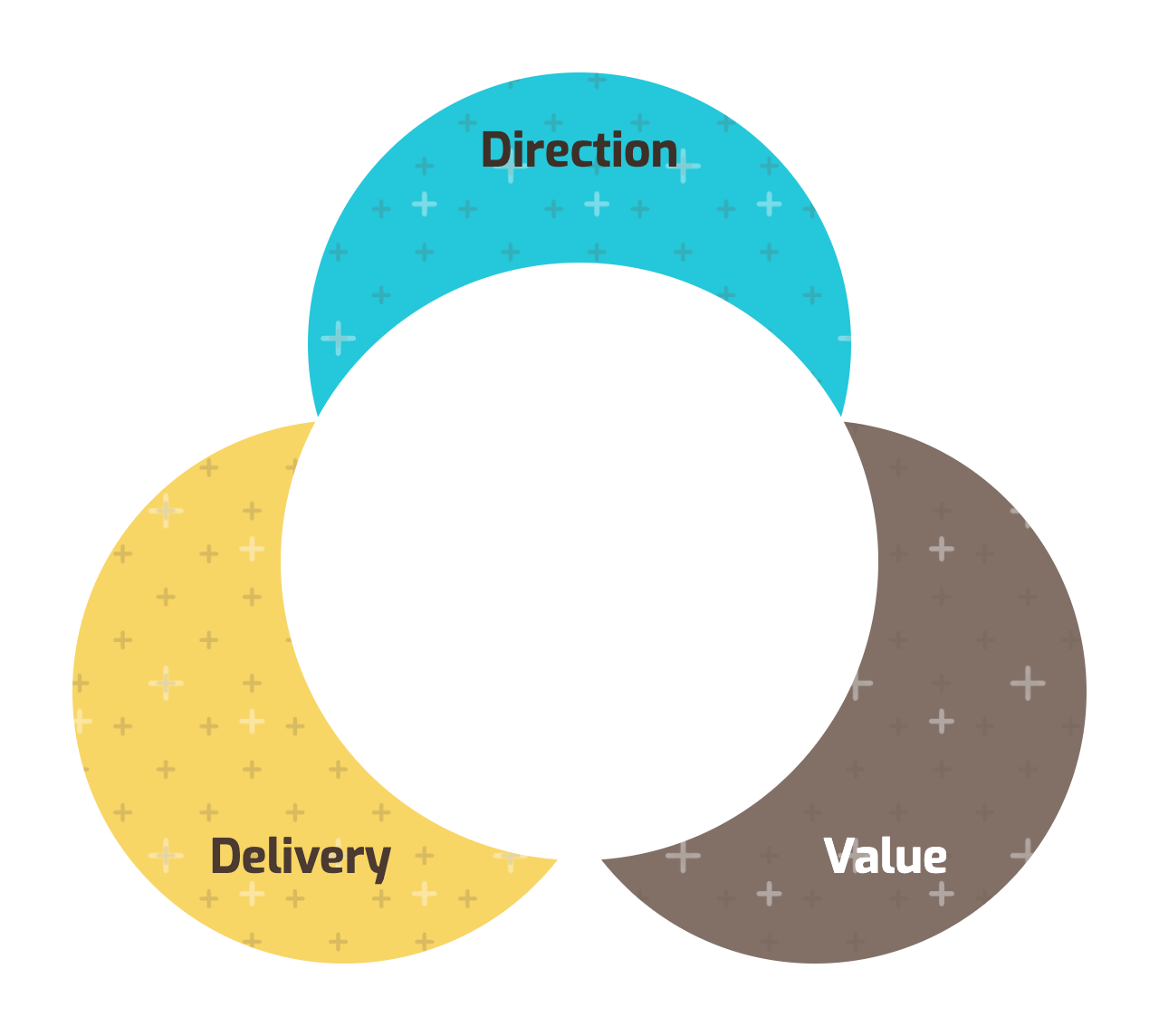

Our theme for Lexpo'27 is Taking Charge: direction, delivery and value. As legal technology moves from promising to delivering, the question becomes who stays in charge of the work, its value, and the data it runs on. We put three questions to Constant Sciarone of DotOffice.

What is changing among your clients now that the technology is starting to do the work itself, and who is setting the direction?
We are seeing a fundamental shift in the way organizations work with documents.
Until recently, employees created documents themselves and used technology primarily as a tool to support them. With AI, that is changing. An employee can now simply ask: “Write a letter to person A about this subject” or “Draft a response to this letter.” AI can generate the content within seconds.
AI is now exceptionally good at generating content, but turning that content into a fully accurate, controlled document that complies with an organization’s corporate identity is still far from automatic.
That is where we see an important role for DotOffice.
We enable organizations to combine AI-generated content with controlled document creation and corporate identity. Users can ask AI what the document should say, while DotOffice ensures that the result becomes a professional document that follows the organization’s templates, corporate identity and document standards.
The direction is therefore shifting from “AI helps me write” to “AI helps me create the complete document.”
Technology is increasingly doing the work itself, but organizations still need to define the standards, rules and boundaries within which that work takes place. This is where business management, communications and IT increasingly come together.

On delivery, what separates the clients who make adoption work from the ones who struggle with it?
The organizations that successfully adopt AI are the ones that look beyond the AI model itself.
Generating text is no longer the biggest challenge. The real challenge is integrating that generated content into the organization’s existing processes, systems and standards.
For example, asking AI to “write a response to this letter” is easy. But what happens next?
The response needs to become a professional document using the correct template, logo, fonts, layout, headings, metadata, sender information and, where necessary, legal disclaimers. It may also need to be stored in a document management system or processed through an existing workflow.
AI can generate the content, but the organization remains responsible for the document that ultimately leaves the organization.
DotOffice connects these two worlds.
Users work within the document creation environment and ask AI to create or transform content. DotOffice then applies the organization’s document standards and corporate identity. AI-generated content therefore does not remain an isolated piece of text; it becomes part of the organization’s existing document creation process.
That is what makes adoption practical: AI becomes part of the workflow employees already understand, rather than another separate application they have to learn.
AI can generate the content, but the organization remains responsible for the document that ultimately leaves the organization.
Constant Sciarone, DotOffice

What questions about value and responsibility are your clients asking now that they were not asking a year ago?
A year ago, many conversations focused primarily on productivity: How much time can AI save us?
Today, the questions are becoming much more fundamental.
Clients are asking: How do we make sure that the enormous amount of content AI can now generate actually becomes usable, professional output?
Because generating a letter is not the same as creating a finished business document. AI can produce excellent content, but organizations still need consistency, corporate identity, governance and control. They need to know that every document leaving the organization represents the organization correctly.
This raises a new question of responsibility: who controls the transition from AI-generated content to the organization’s official document?
That is where DotOffice creates value. We do not compete with AI when it comes to generating content. We make AI usable within the organization’s document creation process.
The future we see is therefore not simply: AI → text, but: AI → content → DotOffice → controlled, compliant document in the organization’s corporate identity.
The user simply asks for what they need. AI does the intellectual work of drafting the content, while DotOffice turns that content into a professional document that is ready to use and represents the organization correctly.
In that sense, we see DotOffice as the bridge between generative AI and an organization’s official communication. AI can create the words. DotOffice turns those words into an official document.

About DotOffice
DotOffice develops corporate identity document solutions for Microsoft Office and SharePoint. With more than 15 years’ experience, it specialises in Microsoft Office, and more than 300,000 users create documents and presentations with DotOffice every day.
Continue the conversation at Lexpo'27
15 and 16 March 2027, Haarlem (near Amsterdam)