
Marcel Lang
CCO & Co-Founder, Epona
Three questions on Taking Charge: who stays in charge of the work, its value, and the data it runs on.
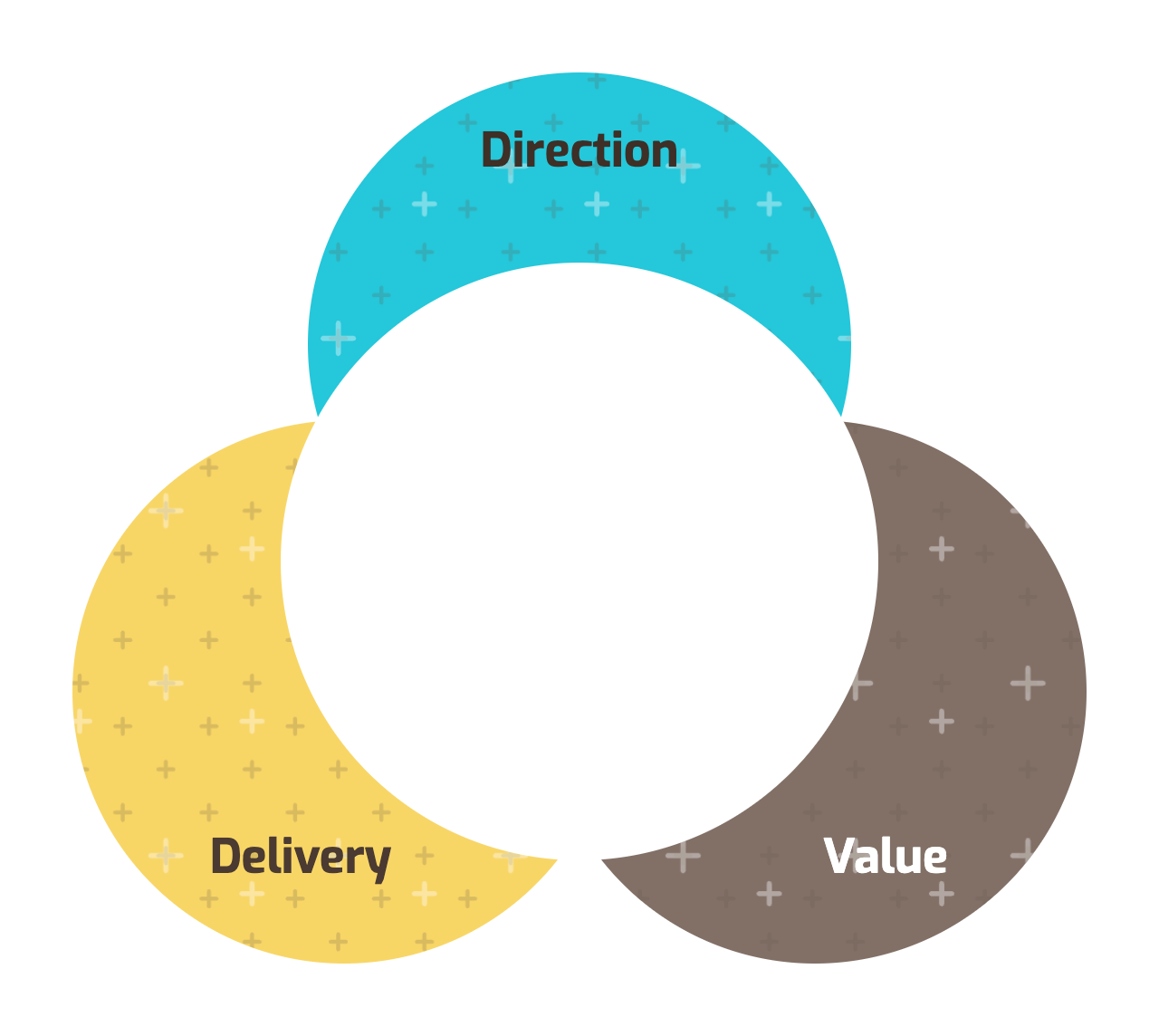

Our theme for Lexpo'27 is Taking Charge: direction, delivery and value. As legal technology moves from promising to delivering, the question becomes who stays in charge of the work, its value, and the data it runs on. We put three questions to Marcel Lang of Epona.

What is changing among your clients now that the technology is starting to do the work itself, and who is setting the direction?
A year ago, most conversations focused on selecting technology. Today, the conversation has shifted to preparing the environment that technology depends on. Clients increasingly realize that AI is only as effective as the quality, structure, permissions, and governance of the information it can access. As a result, direction is no longer being set solely by IT or innovation teams. It is increasingly a joint effort between legal leadership, knowledge management, compliance, information governance, and technology stakeholders. The question has moved from "Which AI tool should we deploy?" to "How do we prepare our legal knowledge and document environment so AI can deliver trusted outcomes?"

On delivery, what separates the clients who make adoption work from the ones who struggle with it?
The most successful clients treat AI and modern legal technology as a business transformation rather than an IT implementation. They invest early in governance, permissions, metadata, knowledge ownership, and change management. They define what information can be trusted, who is responsible for it, and how users should work with it. Clients that struggle often focus primarily on deploying technology while underestimating the importance of data quality, user adoption, and organizational readiness. In our experience, adoption succeeds when legal professionals see AI embedded within familiar software like Microsoft 365 and when strong governance of documents and knowledge creates confidence in the outputs.
The most successful clients treat AI and modern legal technology as a business transformation rather than an IT implementation.
Marcel Lang, Epona

What questions about value and responsibility are your clients asking now that they were not asking a year ago?
The questions have become significantly more strategic. Previously, clients mainly asked about efficiency gains and automation. Today, they are asking who owns AI-generated knowledge, how outputs can be verified, whether confidential information can be exposed, and how governance should evolve as AI becomes part of daily legal work. After all, AI is only as good as the foundation it works on. They want to understand not only the return on investment, but also the controls required to use AI responsibly. Increasingly, clients view value and responsibility as inseparable. They recognize that sustainable AI adoption depends on transparency, security, governance, and trusted knowledge, not just on the quality of the AI model itself.

About Epona
Founded in 1993, Epona is a legaltech market leader operating from the Netherlands, Portugal, the USA and Denmark. It builds legal document and practice management software on Microsoft 365, added case management in 2025, and guides clients from design to deployment.
Continue the conversation at Lexpo'27
15 and 16 March 2027, Haarlem (near Amsterdam)