
Knut-Magnar Aanestad
Co-founder & Chief Product Officer, Saga
Three questions on Taking Charge: who stays in charge of the work, its value, and the data it runs on.
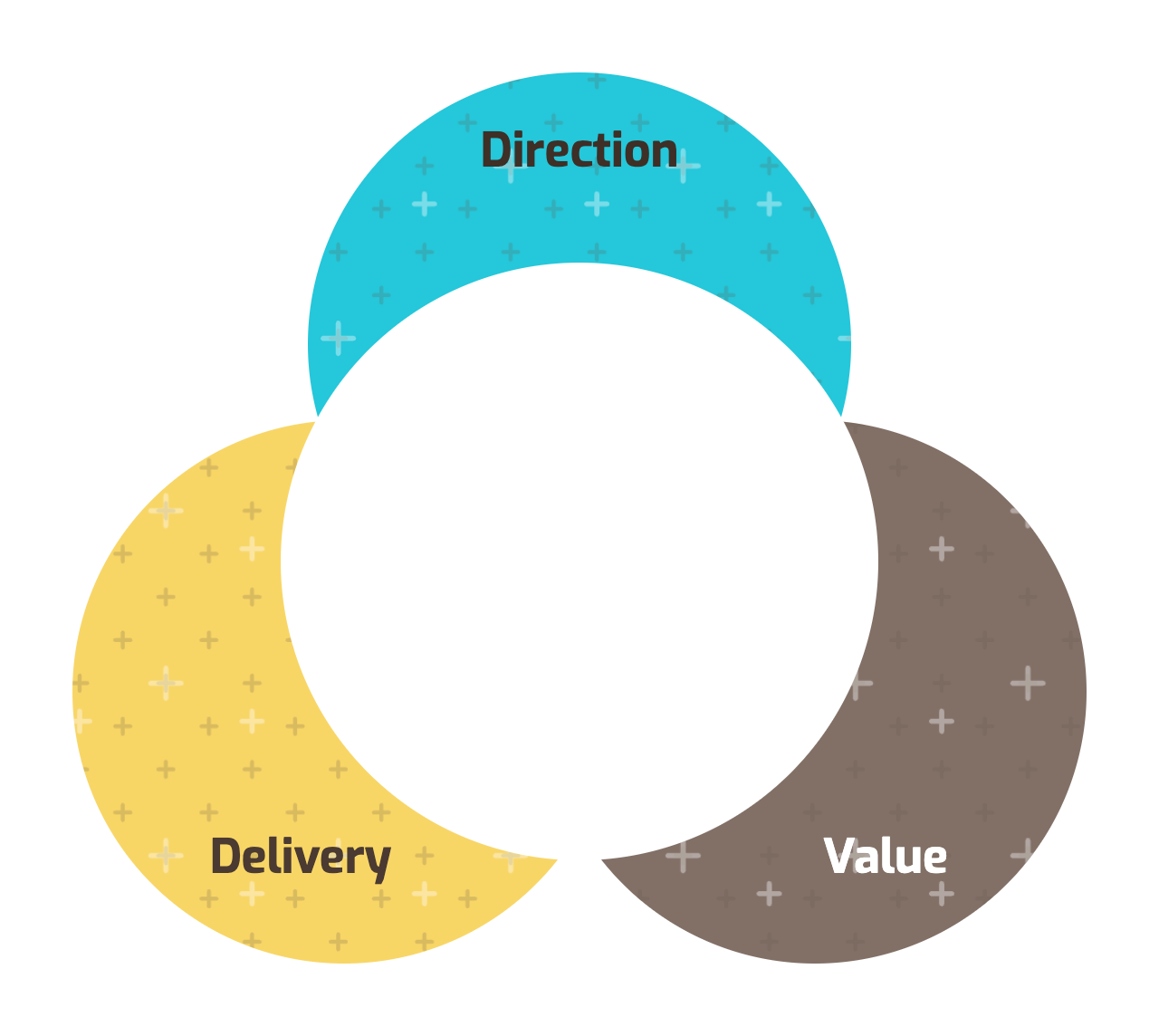

Our theme for Lexpo'27 is Taking Charge: direction, delivery and value. As legal technology moves from promising to delivering, the question becomes who stays in charge of the work, its value, and the data it runs on. We put three questions to Knut-Magnar Aanestad of Saga.

What is changing among your clients now that the technology is starting to do the work itself, and who is setting the direction?
What I see changing is not mainly that tools get faster at finishing the tasks that the lawyer needs. That is happening, and it has an effect, of course. The deeper shift I see is that clients are starting to ask more about governance and responsible processes, like fir instance where their judgment should play a part in solving the matters and managing the relationship with their clients, which also has a commercial side to what and how they pay for the value of the judgement.
For a long time now, AI conversations in law have started with tasks and unclear terms like use cases and workflows: how do we finish this task better, cheaper, sooner. Useful, but it is not where the larger benefits live. A move towards more holistic approaches is coming: service providers talk about creating holistic harnesses and operating systems for legal work, some way more automated than others. Lawyers are starting to wonder where in such a system judgment fits, what is left of the process of lawyering.
The firms I believe will be setting direction in the longer term on high-stakes legal work are the ones that refuse to leave the setup of that process to technology alone. They want to take more part in deciding what good looks like, what the premises are, and when a human must stay in the loop. Vendors can help with engines and workflows. Agency must somehow belong to the lawyers who own the quality and the client relationship and to the standard of the firm. Approval of an output is obviously not the same as agency and authorship of the work.

On delivery, what separates the clients who make adoption work from the ones who struggle with it?
The ones who make it work treat AI as a change in how lawyering is organised in a process they own and, not as a new button to speed up what has always been on that same old office desk.
Further, these firms name an owner who actually cares about the outcome in practice, as lead, with support from experts on change and technology management. Building is moving towards more process thinking based on an agreed framework. They also invest in what many see as the less glamorous parts: training, champions, enhanced shared checklists and playbooks. Finally, we see more discipline in setting guardrails for what the system should not do and how it should not be done.
The ones who struggle have often fallen for buying capabilities prebuilt into technology, and hope (and maybe pray :-)) culture will follow. They typically measure success as "people logged in" rather than "what work got better, safer and faster." Or they try to automate before they have agreed what good looks like in advance instead of exploring the space of viability. In my experience the technology rarely fails first. The firm that has not decided who authors the process, who owns quality, and what stays with the lawyer, that is where adoption stalls when they move further from being "only" AI-enhanced to moving towards AI-native operations.
Approval of an output is not the same as authorship of the work.
Knut-Magnar Aanestad, Saga

What questions about value and responsibility are your clients asking now that they were not asking a year ago?
A year ago the dominant question was still "what can it do?" Now I am starting to hear two questions that are harder to answer: "what are the first steps in transforming how we are compensated for the legal work?" and "who answers for it when it is wrong?" So reliability and responsibility are finally on the agenda.
On value, firms and legal teams are asking how expertise should be priced and delivered when part of the work can move earlier in the client relationship, closer to where the business actually needs it, without turning lawyering into a lookup. On responsibility, the questions are sharper. Who set the premises? Who decided what good output looks like? Is the lawyer still the author of the process, or only the last person to approve a result they did not design?
Those are good questions. They push the industry away from magic demos and toward governance, authorship and accountability, things we take very seriously in building, training and advice. Taking charge, for me, means keeping the lawyer in charge of the process of lawyering, while letting technology do the heavy lifting in between, getting the best from the legal cognition and the capabilities of the technology. That is where optimized value is created, and where responsibility stays where it actually belongs.
About Saga
Saga is a legal innovation company redefining the future of legal work. Built on the belief that innovation should serve people, Saga empowers legal professionals to focus on what matters most: people, ethics, and meaningful impact.
Continue the conversation at Lexpo'27
15 and 16 March 2027, Haarlem (near Amsterdam)